Imagine waking up every day feeling tired, worried, or stressed, but not being able to talk to anyone. Millions of people face these problems quietly, without help or tools to feel better. Mental health awareness is not a word—it can save lives. It helps people notice problems and take action, making communities healthier and stronger.
In 2025, many adults will have mental health problems. Learning about mental health, getting help, and giving help can make life better. This guide has easy tips, real examples, and ideas to help you understand and handle mental health problems. Whether you have problems, help someone, or run programs, this guide gives you tools to help.
By the end, you’ll have actionable steps and insider tips that are not just theory—but strategies that have worked in real life.
What is Mental Health Awareness?
Definition and Scope
Mental health awareness means knowing about problems like worry, sadness, and stress. Mental health is as important as body health. Awareness is not knowing—it is doing. Learning helps people get help and makes communities kind.
Awareness vs. Action
While mental health awareness is the first step, true progress comes from actionable steps. For instance:
- Awareness only: Knowing that depression is common in teenagers.
- Awareness + Action: Schools implementing counseling programs and open discussions about emotional struggles.
Key Statistics
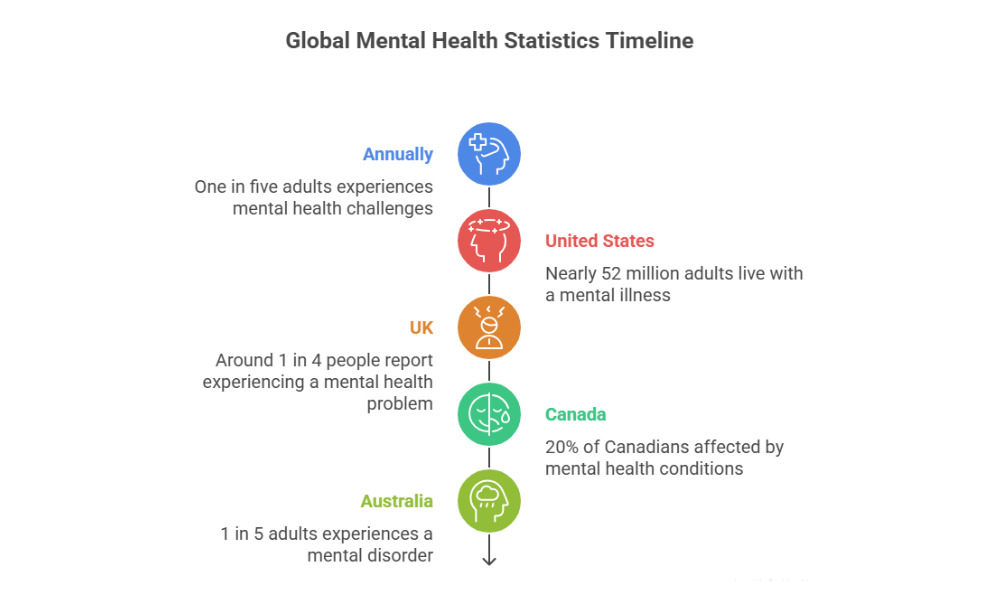
- According to the World Health Organization (WHO), one in five adults experiences mental health challenges annually.
- In the United States, nearly 52 million adults live with a mental illness.
- In the UK, around 1 in 4 people report experiencing a mental health problem each year.
- In Canada, mental health conditions affect 20% of Canadians annually, while Australia reports 1 in 5 adults experiencing a mental disorder.
Real-Life Scenario
Take the example of Emma, a 28-year-old professional. She began experiencing persistent anxiety but ignored the signs due to fear of judgment at work. Only after attending a mental health awareness seminar at her company did she recognize her condition and seek therapy. This early intervention improved her quality of life and prevented further complications.
Common Mental Health Challenges
Mental health problems can happen to anyone. Knowing about them helps people get help early, feel less fear, and find support.
1. Anxiety Disorders
Anxiety disorders are among the most prevalent mental health conditions worldwide. They include generalized anxiety disorder, panic disorder, and social anxiety. People may experience excessive worry, restlessness, or physical symptoms like a racing heart.
Real-life example:
Mark is a 32-year-old teacher. He worried a lot about students and work. His worry caused sleepless nights and tiredness. When he saw the problem and tried mindfulness, he felt better and less stressed.
Mistakes to avoid:
- Ignoring persistent worry as “just stress.”
- Self-medicating without guidance.
2. Depression
Depression means feeling sad for a long time. People may lose interest in daily activities and have changes in sleep or eating. Severe depression can make life at home and work very hard.
Real-life example:
Lisa, a university student, struggled with motivation and isolation. Through counseling and structured self-care routines, she gradually improved her mental health.
Mistakes to avoid:
- Believing “it will go away on its own.”
- Avoiding conversations with family or friends.
3. Stress and Burnout
Chronic stress and burnout come from too much work, caring for others, or long-lasting life problems. They can make people tired, easily annoyed, and sick.
Real-life example:
David, a healthcare worker, experienced burnout after months of overtime. Implementing strict work-life boundaries and regular breaks helped him recover.
Mistakes to avoid:
- Sacrificing sleep and self-care for productivity.
- Ignoring early signs of physical exhaustion.
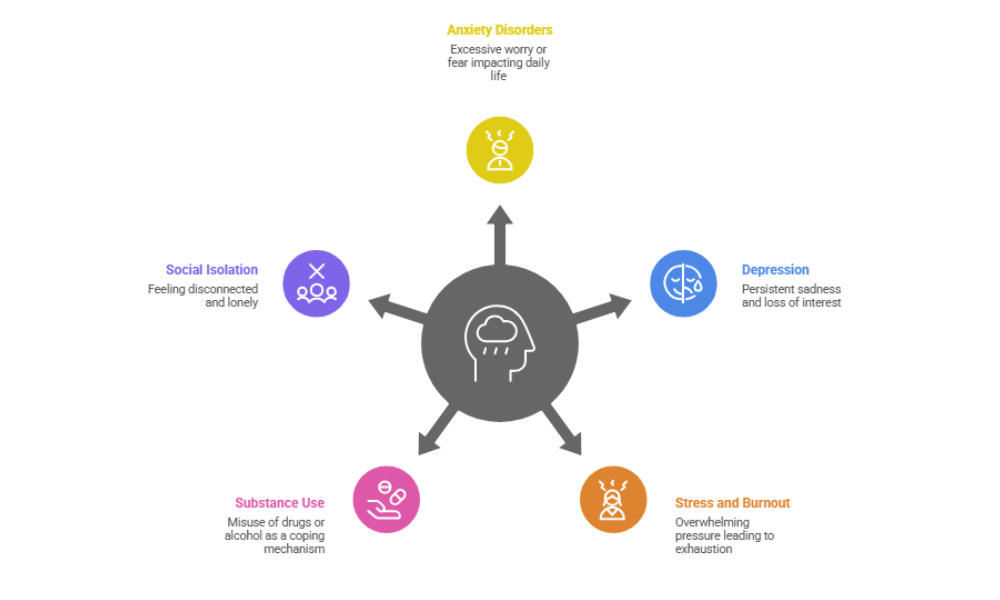
4. Substance Use
Some people use alcohol or drugs to cope with mental health problems. This may help for a short time, but it makes the problems worse.
Real-life example:
Sofia turned to alcohol after losing her job, masking her depression. After seeking professional help, she received healthier coping strategies, leading to long-term improvement.
Mistakes to avoid:
- Using substances as the primary coping mechanism.
- Denying the connection between substance use and mental health.
5. Social Isolation
Loneliness and lack of social interaction can exacerbate mental health conditions. Maintaining social connections is critical for emotional support.
Real-life example:
Tom, an introverted professional, noticed worsening anxiety due to social isolation. Joining a local hobby group improved his mood and social skills.
Mistakes to avoid:
- Avoiding community or peer support.
- Underestimating the impact of isolation on mental well-being.
Why Mental Health Awareness Matters
Mental health awareness is not knowing problems. It is making places where people feel good in mind, feelings, and with others. Awareness helps people get help early, feel less fear, and makes communities and workplaces healthier.
1. Personal Benefits
Knowing about your mental health helps you see stress, worry, or sadness before they get worse. Awareness helps you take care of yourself, control feelings, and get help from a doctor if needed.
Real-life example:
Sarah is 35 and works as an accountant. She saw early signs of burnout. By doing mindfulness and going to therapy, she stopped her stress from turning into long-term depression.
2. Workplace Impact
Employers who promote mental health awareness see benefits like:
- Reduced absenteeism
- Higher productivity
- Improved employee morale
- Lower turnover rates
Real-life example:
A tech startup introduced weekly mental health check-ins and access to online therapy. Employee engagement and productivity improved, and absenteeism decreased by 20% in six months.
3. Community and Societal Benefits
Mental health awareness contributes to stronger communities by:
- Reducing stigma and discrimination
- Encouraging support networks
- Promoting early intervention and preventive care
4. Preventing Long-Term Consequences
Without awareness, mental health conditions often go unaddressed, leading to:
- Chronic physical illnesses
- Relationship breakdowns
- Career setbacks
Signs You Might Need Mental Health Support
Seeing early signs of mental health problems is very important. These signs can show in feelings, the body, or actions. Knowing them helps stop problems from getting worse and helps people get care early.
1. Emotional Signs
- Persistent sadness, irritability, or mood swings
- Excessive worry or fear
- Feeling hopeless or disconnected
Real-life example:
Anna is 27 and a graduate student. She felt worried every morning and stayed away from friends. Seeing these changes made her go to counseling, which helped her learn ways to cope.
2. Behavioral Signs
- Changes in sleeping patterns (insomnia or oversleeping)
- Avoiding social interactions or responsibilities
- Decreased motivation or productivity
3. Physical Signs
- Frequent headaches, stomach issues, or fatigue
- Unexplained aches or changes in appetite
- Increased substance use
Real-life example:
David is 40 and a software engineer. He ignored being very tired and stomach problems until he saw they came from work stress. Getting help through counseling and changing his routine made him healthier.
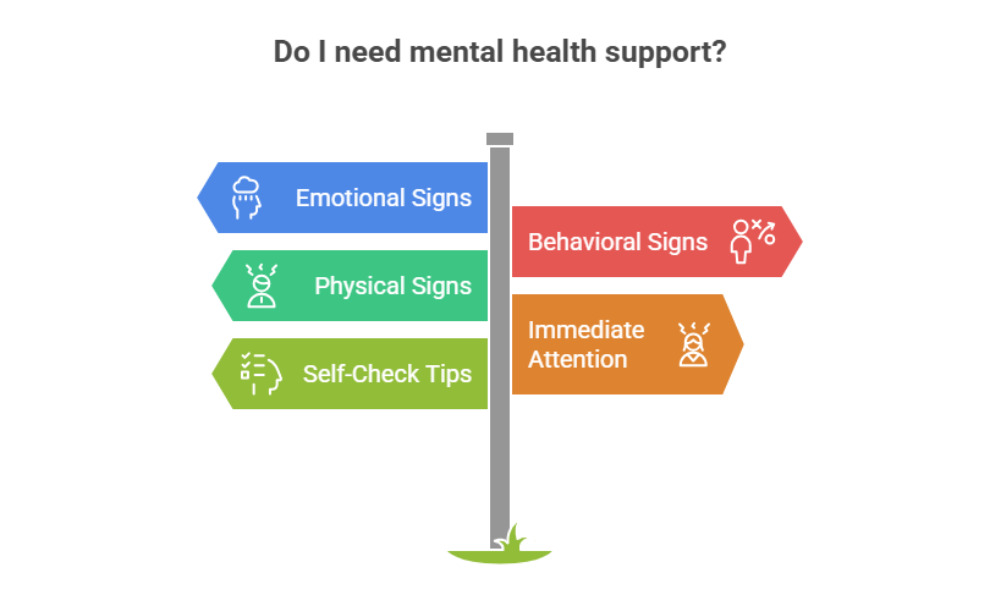
4. Red Flags Requiring Immediate Attention
- Thoughts of self-harm or suicide
- Inability to perform daily tasks
- Sudden extreme mood changes or aggression
5. Practical Self-Check Tips
- Ask yourself weekly: “How have I been feeling emotionally and physically?”
- Keep a stress and mood diary to track triggers
- Discuss changes with a trusted friend or healthcare provider
Mental Health Awareness Strategies
Promoting mental health means helping yourself and others. Using easy strategies can make you feel better, stronger, and healthier.
1. Self-Care Routines
Simple daily habits have a significant impact on mental health:
- Sleep: Aim for 7–9 hours to support cognitive function and emotional regulation.
- Exercise: Regular physical activity releases endorphins that reduce stress.
- Diet: Balanced nutrition supports brain health and energy levels.
- Mindfulness: Meditation or deep-breathing exercises can reduce anxiety.
2. Professional Counseling Options
Seeking professional help is often necessary for managing moderate to severe conditions. Options include:
- Psychologists for therapy and coping strategies
- Psychiatrists for medication management
- Licensed counselors for guidance on life challenges
3. Community Programs and Digital Tools
Many communities offer programs designed to raise awareness and provide support:
- Mental health workshops and support groups
- Online counseling platforms and mental wellness apps
- Peer-to-peer mentoring networks
4. Workplace Policies
Employers can implement:
- Flexible schedules to reduce burnout
- Mental health days and confidential counseling
- Training managers to recognize mental health issues
Real-life example:
A finance firm introduced monthly wellness sessions. Employees reported a 25% reduction in stress levels within three months.
5. Comparison Table: Therapy Options
| Therapy Type | Benefits | Drawbacks | Ideal For |
| Cognitive Behavioral Therapy | Structured problem-solving, goal-oriented | Requires time commitment | Anxiety, depression |
| Group Therapy | Social support, shared experiences | Less individualized focus | Social anxiety, trauma |
| Online Counseling | Flexible, accessible, convenient | Less personal interaction | Mild-to-moderate conditions |
Pros & Cons of Mental Health Awareness Programs
Mental health programs teach people, stop problems early, and help those with feelings problems. Knowing what works and what does not makes them better.
Pros
- Reduces Stigma:
Awareness campaigns normalize conversations around mental health, encouraging people to seek help without fear of judgment. - Encourages Early Intervention:
Recognizing symptoms early through educational programs increases the likelihood of successful treatment and recovery. - Improves Community Resilience:
Schools, workplaces, and communities become more supportive and prepared to address mental health challenges. - Promotes Well-being and Productivity:
Employees or students with mental health support experience higher engagement, lower absenteeism, and better performance.
Cons
- Limited Reach:
If poorly advertised or restricted to small groups, programs may not reach those most in need. - Resource Constraints:
Budget and staffing limitations can hinder program effectiveness and follow-up support. - Risk of Misinformation:
Programs without qualified professionals may inadvertently spread incorrect guidance or oversimplify complex issues. - Variable Engagement:
Not all participants may actively apply the strategies learned, reducing the overall impact.
Key Takeaways
- Mental Health Awareness Saves Lives:
Recognizing early signs of anxiety, depression, and stress allows for timely intervention and better outcomes. - Self-Care is Crucial:
Daily habits like proper sleep, balanced nutrition, exercise, and mindfulness have a significant positive impact on mental well-being. - Professional Support is Effective:
Therapists, counselors, and psychiatrists provide structured strategies to manage mental health challenges safely. - Community and Workplace Support Matter:
Programs, workshops, and mental health initiatives in schools and workplaces foster supportive environments that reduce stigma. - Awareness Must Lead to Action:
Knowledge alone isn’t enough. Applying strategies, seeking help, and encouraging open dialogue are essential steps.
Conclusion
Mental health awareness is more than an idea. It helps people, families, work, and communities. Knowing about problems and getting help makes life healthier and balanced. Awareness helps with stress, worry, being strong, and being kind. It leads to real help and good change.
Better mental health starts with small steps. Take care of yourself, notice warning signs, get help, and join supportive groups. Make home, school, and work safe places to talk.
In today’s life, mental health awareness is important for everyone. Using the tips in this guide can help you take care of your feelings and help others take care of theirs.
FAQ
1. What is mental health awareness?
Understanding, recognizing, and supporting mental well-being while reducing stigma around mental health issues.
2. What do you mean by mental health?
Mental health is a person’s emotional, psychological, and social well-being, affecting how they think, feel, and act.
3. How can we improve mental health?
- Practice self-care (sleep, exercise, healthy diet)
- Manage stress and emotions
- Seek support from friends, family, or professionals
- Avoid substance abuse
- Engage in mindfulness or hobbies
4. What are the 7 types of mental disorders?
- Anxiety disorders
- Mood disorders (depression, bipolar)
- Psychotic disorders (schizophrenia)
- Eating disorders
- Personality disorders
- Obsessive-compulsive & related disorders
- Post-traumatic stress disorder (PTSD)
5. Mental health awareness quotes:
- “Mental health is not a destination, but a process.”
- “It’s okay to not be okay.”
- “Your mental health is a priority. Your happiness is essential.”