
The global demand for mental health professionals has reached unprecedented levels. Issues like depression, trauma, and behavioral disorders are increasing across Tier One countries. Hospitals and behavioral health clinics struggle to manage growing caseloads. Mental Health Technician has become one of the fastest-growing jobs in behavioral healthcare.
While anyone can apply for an entry-level position, certified mental health technicians immediately stand out. Employers prefer candidates with mental health technician. It shows they are trained, safe, and prepared to work in high-risk patient settings. Certification often leads to better pay, quicker promotions, and more job opportunities.
In this expanded guide, you’ll learn everything about mental health technician certification. You will also find online training options, country-specific requirements, licensing steps, & salary expectations. A clear, step-by-step plan to start your career in the US, UK, Canada, or Australia.
We will also compare Mental Health Technicians with psychiatric technicians & behavioral health technicians. Explained clinical skills training, shared expert tips, and provided practical tools.
Earning an MHT certificate is an affordable way to begin a healthcare career. It is also a meaningful step for those looking to make a difference. Whether you’re a student or a career changer, you can make a positive difference. This pathway offers a strong start in the field.
What Is a Mental Health Technician? Understanding the Role, Scope of Practice in Tier One Countries
An MHT is a professional who supports individuals struggling with mental illness. They also assist those dealing with trauma. Depending on the country, people may also know this role by other titles.
- Psychiatric aide
- Behavioral health technician
- Mental health support worker
- Mental health assistant
- Community mental health worker
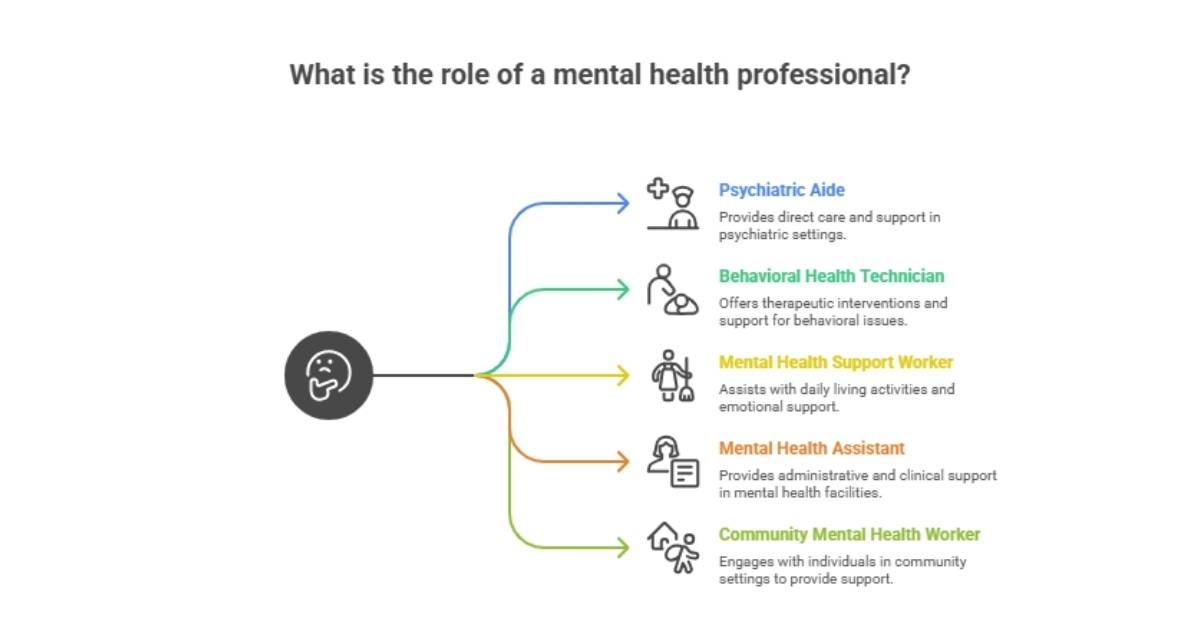
Regardless of title, the mission: keep patients safe & engaged in their treatment plan.
Core Responsibilities
MHTs assist with daily living, monitoring, documentation, therapeutic interventions, & crisis support. Common tasks include:
- Observing patient behavior & recording changes
- Supporting therapeutic groups & structured activities
- Assisting with hygiene, meals, or personal tasks
- Helping patients follow safety protocols
- Communicating concerns to nurses & clinicians
- Providing emotional support during distressing moments
- Implementing de-escalation & crisis-prevention techniques
Why Demand Is Increasing
Across Tier One countries, several factors drive rapid MHT hiring:
1. Shortage of mental health professionals
The WHO reports that more than 70% of behavioral health facilities lack enough staff. Mental health technicians (MHTs) fill critical gaps.
2. Growth in mental illness cases
Depression & anxiety rates have doubled since 2010 in many Tier One regions.
3. Higher hospital admissions for behavioral disorders
Facilities need trained staff who can respond with speed and ensure safety.
4. Rise of telehealth & hybrid care models
MHTs support online therapy platforms, crisis lines, & digital behavioral care programs.
Case Study: UK NHS Trust
In 2023, the NHS rolled out a mental health workforce expansion plan. One London Trust reported:
- 18% drop in safety incidents after hiring certified mental health support workers
- 31% improvement in documentation accuracy
- Higher patient satisfaction in inpatient units
Table: Mental Health Technician Roles Across Tier One Countries
| Country | Job Titles | Required Certification? | Work Settings |
| US | Mental Health Technician, Behavioral Health Tech, Psychiatric Aide | Preferred/Required | Hospitals, psych units, detox centers |
| UK | Mental Health Support Worker | Not required but strongly preferred | NHS Trusts, community services |
| Canada | Mental Health Worker, Community Support Worker | Varies by province | Clinics, non-profits, crisis teams |
| Australia | Mental Health Support Worker | Certificate IV required | NDIS, hospitals, private agencies |
Key Takeaway: Certification leads to large improvements in employment outcomes across all four countries.
How to Become a Mental Health Technician?
Becoming an MHT is one of the most accessible pathways into healthcare. You don’t need a medical degree. You need training, certification, and the right skills.
Basic Requirements (Universal Across Countries)
- High school diploma or equivalent
- Criminal background check
- CPR/BLS certification (US/Canada/Australia)
- Verified training in mental health or behavioral support
- Soft skills such as empathy, communication, & resilience
Skills Needed to Excel
- Crisis intervention skills
- De-escalation techniques
- Trauma-informed care
- Observational accuracy
- Clinical documentation
- Active listening
- Cultural sensitivity
- Ethical awareness
Country-Specific Pathways
United States
- High school diploma
- Mental health technician certification (online or in-person)
- CPR/BLS certification
- Optional clinical hours
- Apply for entry-level jobs in hospitals or behavioral centers
Certification is not federally mandated, but most employers prefer or require it.
United Kingdom
- NVQ Level 2 or 3 in Health & Social Care
- Mental health support training
- Enhanced DBS check
- NHS Trust onboarding
- Placement in inpatient or community mental health services
Canada
- Mental health support worker certificate
- Vulnerable sector check
- CPR/First Aid
- Training in nonviolent crisis intervention
Australia
- Certificate IV in Mental Health (mandatory for many roles)
- NDIS Worker Screening
- CPR/First Aid
- On-site training via agency or hospital
Table: Fastest Route to Become an MHT
| Country | Minimum Path | Time Needed |
| USA | Online MHT certification | 1–3 months |
| UK | Mental health support training | 2–4 months |
| Canada | Certificate program | 3–6 months |
| Australia | Cert IV in Mental Health | 4–6 months |
Key Tip:
If you want the fastest hiring path, choose the mental health technician certification online.
Why Mental Health Technician Certification Matters?
Certification is the single strongest predictor of success in mental health support roles.
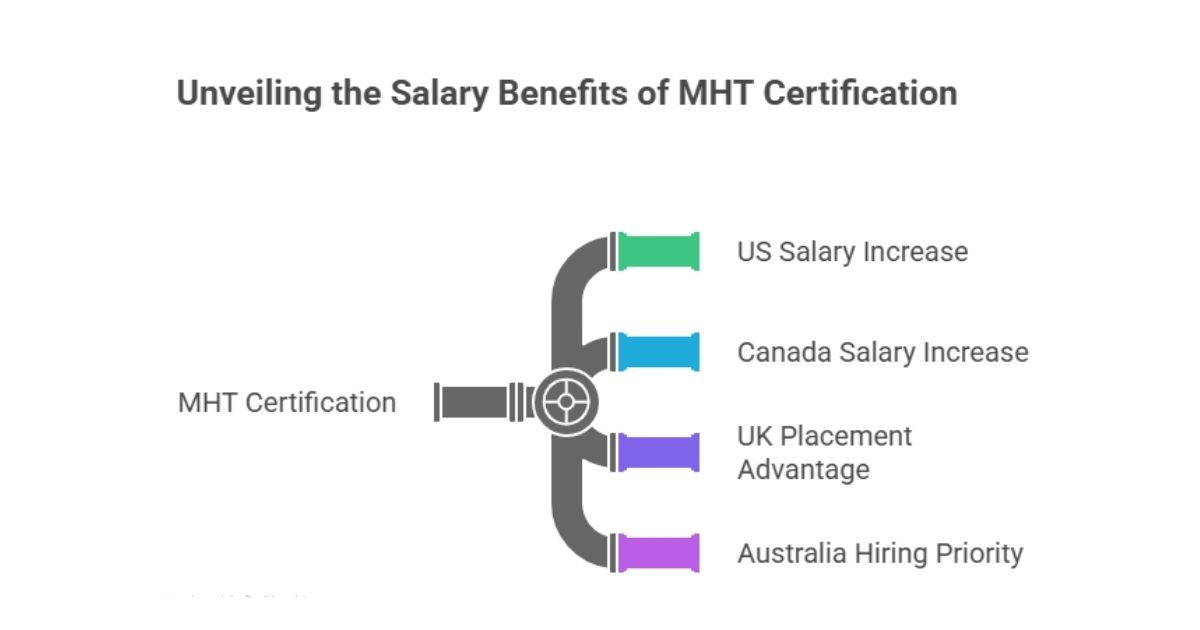
1. Higher Salaries
Certified MHTs earn higher salaries than their peers.
- US: +$4 to +$7 more per hour
- Canada: +12% to +18% salary increase
- UK: Higher NHS b& placement
- Australia: Priority hiring for NDIS roles
2. Job Security in High-Risk Clinical Environments
Organizations prefer trained staff because certification reduces:
- Workplace injuries
- Patient crises
- Documentation errors
- Staff burnout
3. Faster Promotions
Certified techs often move into roles like:
- Lead MHT
- Behavioral health coordinator
- Program specialist
- Crisis intervention technician
- Case management assistant
- Nursing pathway roles
Case Example: US Behavioral Health Hospital
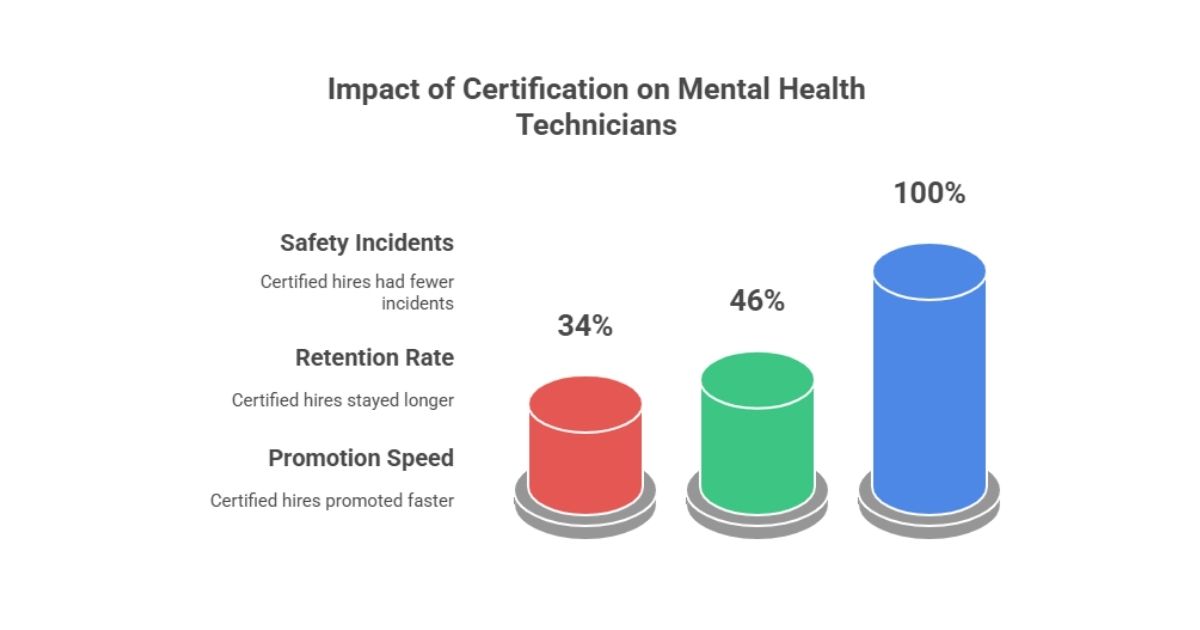
The Texas facility monitored the results for the recently hired Mental Health Technicians.
- Certified hires had 34% fewer safety incidents
- They were 46% more likely to stay beyond one year
- They reached promotion milestones twice as fast
Result:
Certification improves both patient outcomes & staff career trajectories.
Mental Health Technician Certification Requirements.
Although requirements vary, most countries follow a similar structure.
United States
Typical requirements include:
- High school diploma
- MHT certification training
- Background checks
- CPR/BLS
- Optional internship or clinical skills lab
United Kingdom
Requirements include:
- NVQ Level 2 or 3
- NHS Trust training modules
- DBS check
- Practical skills training
Canada
Requirements often include:
- Mental health support worker certificate
- Provincial checks
- Crisis-prevention training
- CPR/First Aid
Australia
Requirements include:
- Certificate IV in Mental Health
- NDIS Worker Screening
- CPR/First Aid
- Agency onboarding
Employer Expectations Across All Regions
- Strong communication
- Trauma-informed care
- Accurate documentation
- Cultural competency
- Ability to maintain boundaries
- Professional ethics
Online Mental Health Technician Certification.
Online certification makes MHT training accessible to anyone. For example: working adults or career changers.
Benefits of Online Training
- Study on your own schedule
- No commuting
- Lower tuition fees
- Faster completion times
- Accepted by most employers
- Self-paced modules
- Video simulations & case-based learning
What Online Programs Teach
- Mental health fundamentals
- Ethics & compliance
- Patient observation
- Crisis intervention
- Therapeutic communication
- Environmental safety
- Documentation standards
Who Online Training Is Best For
- Career switchers
- Working professionals
- Students
- Stay-at-home parents
- Remote learners
Required Qualifications for Mental Health Technicians
Employers hire based on competency, reliability, & proof of training.
Top Hiring Credentials
- Mental health technician certification
- CPR/BLS
- Crisis-intervention certification
- Mental health first aid
- Experience in caregiving or support work
Mini Table: Credentials vs Hiring Strength
| Credential | Hiring Strength |
| MHT Certification | ★★★★★ |
| CPR/BLS | ★★★★☆ |
| Crisis-Prevention Training | ★★★★★ |
| Behavioral Health Internship | ★★★★☆ |
| Mental Health First Aid | ★★★☆☆ |
How Long Does It Take to Become a Certified Mental Health Technician
The duration depends on the program format.
Typical Duration by Country
- USA: 4–12 weeks
- UK: 8–16 weeks
- Canada: 3–6 months
- Australia: 4–6 months
You can complete self-paced online programs faster.
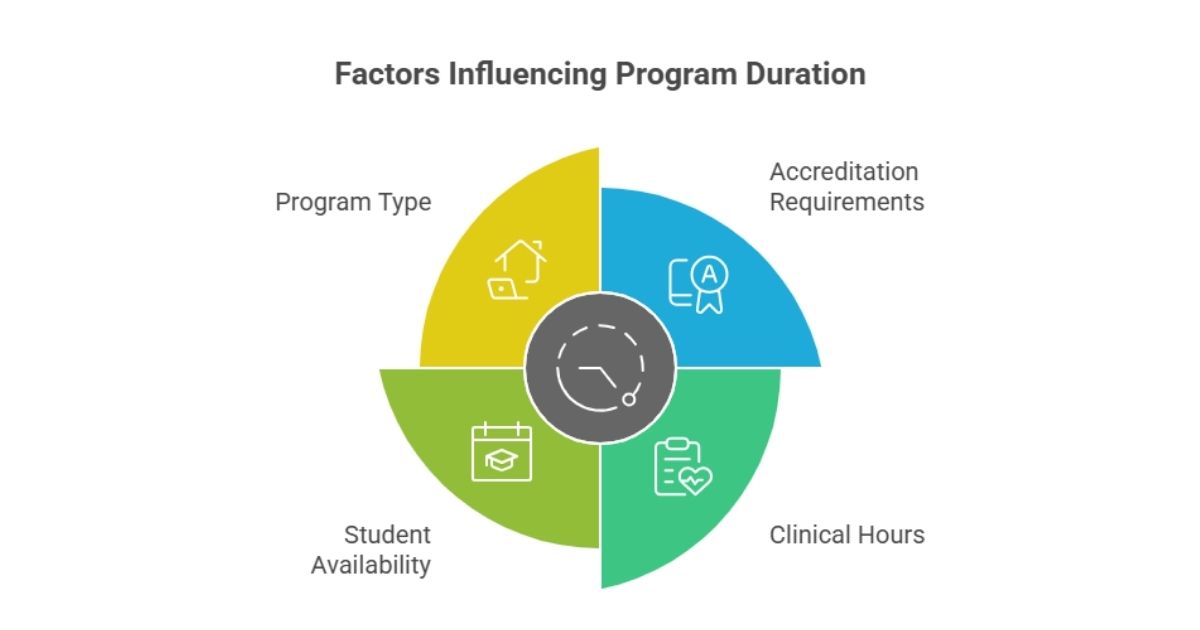
Key Factors Affecting Duration
- Accreditation requirements
- Clinical hours
- Student availability
- Program type (online vs campus)
Accredited MHT Training Programs: Skills, Competencies & Employer
Accredited programs ensure students meet professional standards.
Core Skill Areas
- Patient observation
- Crisis de-escalation
- HIPAA/Confidentiality
- Trauma-informed care
- Suicide prevention basics
- Medication support
- Infection control
- Communication & empathy
Why Accreditation Matters
- Employers trust accredited training
- Better job placement rates
- Higher clinical competency
Mental Health Tech Career Outcomes: Salary, Promotions & Long-Term ROI for Certified Professionals
The return on investment is strong.
Average Salaries
- US: $36,000–$52,000
- Canada: $40,000–$58,000
- UK: £20,000–£28,000
- Australia: $55,000–$70,000 AUD
Long-Term ROI
With certification costing $400–$1,500, the ROI is very high.
How Certification Improves Patient Safety & Clinical Efficiency in Tier One Hospitals
Certified techs boost safety & efficiency.
Competencies That Matter Most
- De-escalation
- Ethical decision-making
- Documentation
- Observation
- Team communication
Why It Matters
Facilities with certified techs report:
- Fewer incidents
- Faster onboarding
- Lower burnout
- Better patient feedback
How Mental Health Technician Certification Works: Step-by-Step Training & Clinical Requirements
- Enroll in a certified program
- Complete modules online or on campus
- Finish CPR/BLS
- Participate in clinical simulation
- Complete optional clinical hours
- Apply for employment
What Are the Differences Between Mental Health Technicians, Behavioral Health Technicians & Psychiatric Technicians?
- MHT: Broad support role
- BHT: Focus on behavior & treatment goals
- Psych Tech: More clinical responsibilities, may include medication support
Mental Health Technician vs Psychiatric Technician: Job Duties, Licensing & Salary Differences
Psychiatric technicians usually need state-level licensing in the US. In contrast, MHTs must training but no licensing. Salaries for psych techs tend to be higher due to more clinical duties.
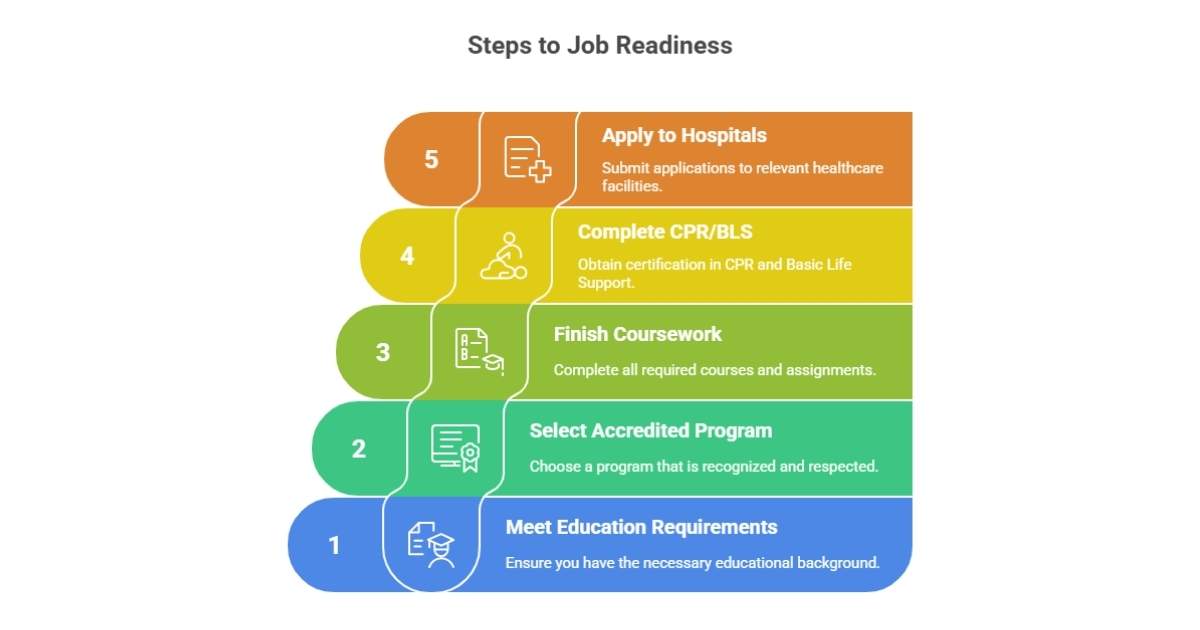
5 Steps to Becoming a Certified Mental Health Technician:
Education, Exam Prep & Job Readiness for US, UK, Canada & Australia:
- Meet education requirements
- Select an accredited program
- Finish coursework
- Complete CPR/BLS
- Apply to hospitals or behavioral centers.
How to Choose the Right Mental Health Technician Certification Program:
Accreditation, Cost & Job Placement Support
Choose programs with:
- Accreditation
- Online flexibility
- Strong student reviews
- Career services
- Real case-study training
Mental Health Technician Certification Training Program:
Quality programs include real-world scenarios. Graduates often secure roles in psychiatric hospitals, crisis centers, and telehealth environments.
Certified Mental Health Technician Jobs: High-Demand Roles in Hospitals (US, UK, Canada, Australia)
Typical employers include:
- Behavioral hospitals
- Psychiatric wards
- Telepsychiatry programs
- Substance recovery centers
- Crisis stabilization units
How to Become a Registered Mental Health Technician: Licensing Pathways & State-to-State Requirements?
Some US states must registration with health boards. Requirements may include fingerprinting, fees, and continuing education.
Mental Health Technician Certification for Career Switchers: Success Stories & Job-Ready Skills
Many trainees come from retail, education, childcare, or customer service. Certification helps them apply transferable skills such as communication and empathy.
What Tier One Healthcare Organizations Look For in Certified Mental Health Technicians
Employers value:
- Compassion
- Reliability
- Crisis skills
- Trauma-informed approach
Mental Health Technician Certification Increases Hiring Rates by 45%
Higher job placement links to certification. This is especially true in states with mental health labor shortages.
Key Standards That Define a Qualified Mental Health Technician
UK: Ofqual, Skills for Health
Canada: Provincial regulators
Australia: ASQA, VET frameworks
Mental Health Technician Certification Online: What Leading Educators Say About E-Learning Quality & Outcomes
Modern online programs use simulations, virtual labs, & scenario-based assessments to equal in-person training.
Free Mental Health Technician Certification Resources: Expert-Verified Study Materials & Practice Tools
Resources often include:
- Free MHT practice tests
- Flashcards
- De-escalation videos
- Crisis intervention quizzes
FAQ Section
Q: How do you become a mental health technician?
Ans: You need a high school diploma, mental health technician certification training, and CPR/BLS certification. You may also need background checks and optional clinical hours. Online programs offer fast, flexible pathways suitable for beginners or career changers.
Q: Do you have to be certified to be a mental health tech?
Ans: Not always, but certification increases salary, trust, & employer preference. In the US and Australia, many hospitals now require certified candidates. This is to ensure safety and meet compliance standards.
Q: How long does it take to get a mental health technician certificate?
Ans: Most certifications take 4–12 weeks, depending on program format. You can complete self-paced online programs even faster.
Q: How to become a registered mental health technician?
Ans: Some US states require registration with a state board. Other states only must completion of an accredited certificate program plus CPR/BLS.
Q: What are the best mental health technician certification programs?
Ans: Accrediting bodies accredit top programs, which offer flexible online learning. They also include crisis-intervention modules and provide job placement support.
Q: How much does a mental health technician certification cost?
Ans: Programs cost between $400 & $1,500, with prices varying based on the country, program length.
Q: Mental Health Technician Certification in Texas: Requirements, Fees & Job Options
Ans: Texas employers prefer certified MHTs with crisis prevention training. Fees range $500–$1,200. Job opportunities include psychiatric hospitals, state-supported living centers, & residential treatment centers.
Q: Mental Health Technician Certification in California: State Standards & Approved Training Providers
Ans: California often requires more behavioral safety training. Approved programs include simulation clinics & crisis-intervention modules.
Q: Mental Health Technician Certification Practice Test: Free Prep Tools, Mock Exams & Study Tips
Ans: Use free mock exams, clinical scenario practice, and safety checklists to boost exam readiness.